Future of Electronics: Trends in European Microchip Production
Rise of European Microchip Manufacturing
The electronic industry stands at a pivotal juncture, propelled by rapid technological advancements and the ever-expanding demand for innovative solutions. At the heart of this evolution lies microchip production, the cornerstone of modern electronics. While traditionally dominated by regions like Asia and the United States, Europe is poised to play a significant role in shaping the future of microchip manufacturing.
This article delves into the trends, challenges, and prospects driving European microchip production, offering insights into the trajectory of this critical industry.
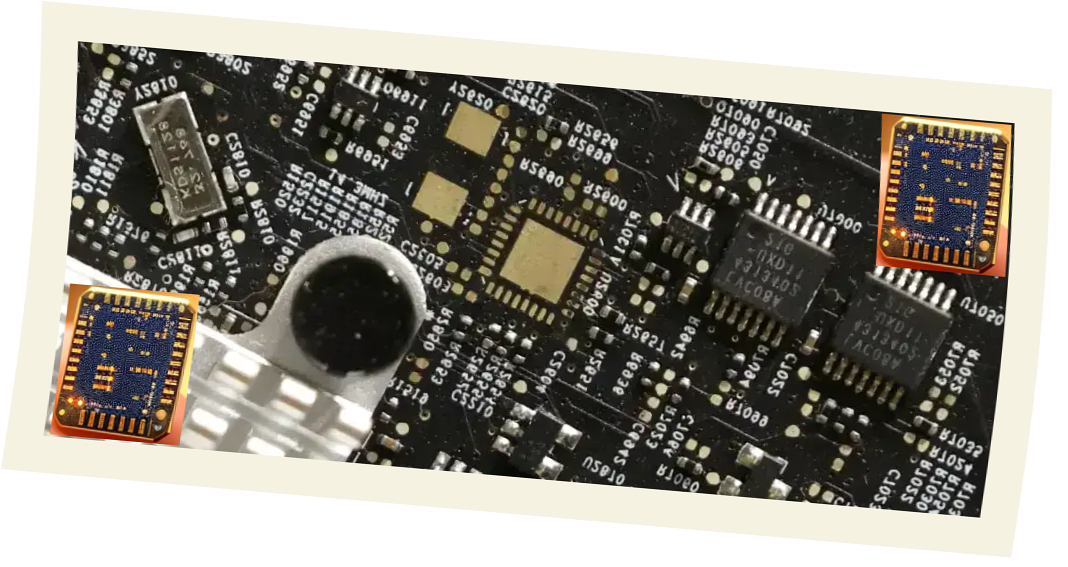
Technological Advancements Driving Innovation
The European and American Commission introduced the European Chips Act in december 2021 with the goal of generating €52 billion in investment for the EU semiconductor sector by 2040. The Commission anticipates that private investment will surpass this amount in the long term.
This initiative aims to facilitate immediate coordination within the EU to address supply disruptions, enhance production and innovation across the semiconductor value chain, and strengthen the EU's technological leadership and digital sovereignty in this critical field.
TAddressing Supply Chain Vulnerabilities
A skilled workforce is indispensable for maintaining Europe's competitiveness in microchip manufacturing. Efforts to nurture talent through education, training programs, and research grants are essential for cultivating the next generation of semiconductor professionals.
Retaining top talent requires creating an attractive environment with competitive salaries, career advancement opportunities, and a supportive ecosystem for innovation and entrepreneurship. The global semiconductor industry faces challenges due to chokepoints and dependencies on advanced chips from Taiwan and South Korea, US intellectual property in chip design, Japanese wafers, and Chinese chip assembly.

Europe has strong capabilities in research and equipment manufacturing, as well as some production capacity for less advanced chips primarily used in the automotive sector. The semiconductor supply shortages experienced during the pandemic are expected to persist due to the significant capital and knowledge required to increase production. Investing in innovation is crucial, with European research playing a key role in advancing chip technology.
Regulatory and Policy Landscape
The market for semiconductors is projected to double from US$630 million to over US$1 trillion by 2040, leading countries like the US, Japan, China, and South Korea to announce substantial investment plans to attract chip manufacturers and expand production facilities. Taiwan's chip companies are also expanding globally by establishing production facilities in the US and Japan, with potential interest in Europe as well.
Environmental Sustainability
A skilled workforce is indispensable for maintaining Europe's competitiveness in microchip manufacturing. Efforts to nurture talent through education, training programs, and research grants are essential for cultivating the next generation of semiconductor professionals.
Retaining top talent requires creating an attractive environment with competitive salaries, career advancement opportunities, and a supportive ecosystem for innovation and entrepreneurship. As the electronic industry strives for greater sustainability, environmental considerations are increasingly shaping manufacturing practices.
European semiconductor companies are investing in eco-friendly technologies, resource-efficient processes, and renewable energy solutions to minimize their environmental footprint. Regulatory frameworks such as the European Green Deal incentivize the adoption of green practices and promote circular economy principles across the semiconductor value chain
Talent Development and Retention
Regulatory frameworks play a crucial role in shaping the trajectory of microchip production and fostering a conducive business environment. Policymakers are exploring measures to stimulate investment, promote research collaboration, and ensure fair competition in the semiconductor market. Strategic policies addressing intellectual property rights, trade regulations, and export controls are instrumental in safeguarding Europe's technological sovereignty and fostering innovation-driven growth.
Resume
As the continent charts its course towards semiconductor self-reliance, it must leverage its strengths in research, innovation, and industrial capabilities to seize opportunities in the global electronics market. By fostering a conducive ecosystem for growth, investing in talent development, and embracing sustainable practices, Europe can emerge as a key player in shaping the future of electronics and driving technological progress worldwide.
"Technology is not just about innovation; it's about shaping the future we want to live in."